
Maintenance
Marketplace scams: keep deals on-platform
Spot common marketplace scams, keep messages and payments on-platform, and know what to do when a buyer or seller pushes you outside the deal.
Marketplace scams often try to move you out of the middle (off the platform's messaging, payment system, or dispute process) while keeping the feeling that you are still protected by it. Buying and selling between strangers works because a platform sits in the middle holding the risk.
So the first question in any deal is not "does this person seem honest?" It is "if this goes wrong, who do I complain to, and what can they actually do?" If the honest answer is nobody, the price does not matter.
Buyers and sellers face almost completely different attacks, so this page treats them separately.
What to take away
- Keep messages and payment in the platform's checkout and messaging system whenever possible.
- Pause when someone asks you to switch channels, send a code, or use a payment method that leaves no useful dispute route.
- If money or an item has already moved, stop, preserve the record, and contact the platform and payment provider.
If you are buying
Your money moves first, so nearly everything depends on decisions you make before it does.
What the pressure looks like
Buyer pressure warning signs
- Price well under comparable listings
- Seller moves chat to messaging app
- Payment method you cannot reverse
- Artificial deadline or rival buyer
- Item cannot be inspected in person
Any one of these can be innocent. Two together is where deals stop being worth doing.
- A seller asks to move the conversation to text or email, or to pay through a separate link or app.
- The seller demands a deposit before you can see the item, or directs you to an escrow, shipping, or buyer-protection site they supplied.
- The item is supposedly abroad or with an agent, and you are urged to pay before it can be delivered.
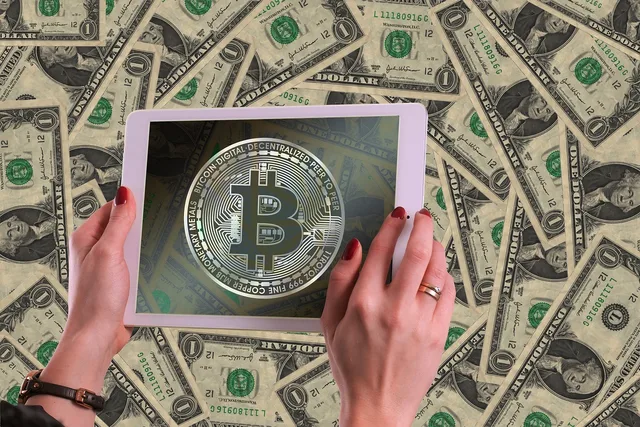
- You are asked to pay a fee to release funds or use a gift-card code or cryptocurrency.
Stay in the platform's app and reply: “I only message and pay through this listing's platform checkout. If that won't work, I'll pass.” Do not open a payment or shipping link from the other person; keep the request and your response in the platform conversation.
The set-ups that catch careful people
The listing that does not exist. Photos taken from elsewhere, a description that reads like it was pasted, a location that shifts between messages. Search a distinctive phrase from the listing and a reverse image search on the photos; if either shows up in a dozen other adverts, you are done.
The deposit to hold it. For flats, rentals, vehicles, and event tickets. Nothing is being held, because there is nothing there.
The fake middleman. An "escrow service", a "shipping company", or a "buyer protection program" contacts you by email confirming the funds are safe and asking you to pay a fee or release the money. The whole apparatus, including the emails and the website, is part of the scam. Real payment protection lives inside the platform you are already using and is visible in your account there, not in an email that arrived to tell you about it.
The vehicle or heavy-item shipping story. The seller is deployed, relocated, or abroad; the item is with a shipping agent; pay and it will be delivered with a return period. There is no agent and no return period. The unreachable-seller story is borrowed from the same script as romance scams, and it fails for the same reason: distance is doing the work.
Tickets and codes. Anything that is just a number or a barcode can be sold repeatedly to different people and works only for whoever arrives first. Buy from the official resale route where one exists.
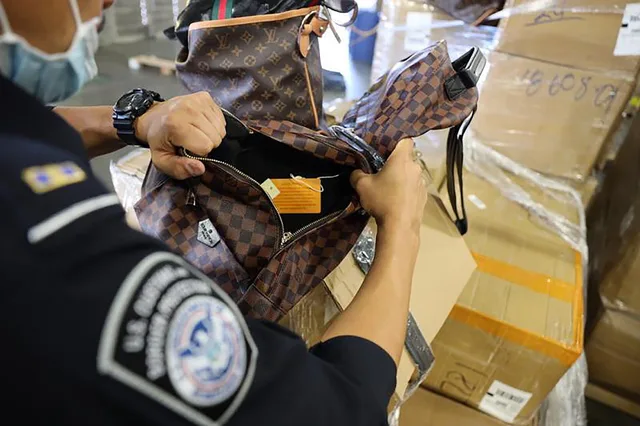
Counterfeits and the wrong item. More often a not-as-described dispute than an outright theft, which is why it matters that you paid in a way that supports a dispute at all.
Buy so that a dispute is possible
| How you pay | What you get if it goes wrong |
|---|---|
| The platform's own checkout | The platform's protection program, and a record it can see |
| Credit card | A dispute or chargeback with the card issuer |
| Debit card | A dispute, but under different rules than a credit card, and several are time-limited |
| Instant bank-to-bank transfer | Very little; treat it as cash |
| Cash on collection, item in hand | Nothing formal, but you inspected it and nothing was shared |
| Gift card codes | Nothing. This is never a legitimate way to pay a stranger |
| Cryptocurrency | Nothing. Transfers do not reverse |
The pattern is simple: a seller who insists on the bottom half of that table is insisting on a deal you cannot complain about.
Payment methods are not interchangeable. Use the marketplace's checkout and only the payment method its terms say qualifies for protection. Zelle, Cash App, Venmo, and PayPal Friends & Family are not substitutes for marketplace checkout, and a payment sent through them is not automatically covered by marketplace protection. Treat a direct bank transfer as cash-like, and do not pay a stranger with gift-card codes or cryptocurrency. A credit card may let you dispute a charge with the issuer; debit-card disputes follow different rules and can be time-limited. Ask the issuer promptly, and do not assume a dispute guarantees recovery.
Common US marketplaces include Facebook Marketplace, eBay, Craigslist, OfferUp, Mercari, Vinted, Etsy, and Depop. Eligible purchases may be covered by programs such as Meta Purchase Protection, eBay Money Back Guarantee, Mercari Buyer Protection, or Etsy Purchase Protection. Coverage depends on the platform's current terms and qualifying checkout; check the program's claim window in your account and act promptly, since deadlines differ.
For a credit-card billing error, the Fair Credit Billing Act generally requires written notice within 60 days after the creditor sent the first statement showing the error. For an unauthorized electronic fund transfer, Regulation E generally requires notice within 60 days after the bank sends the statement showing it. Contact the card issuer or bank promptly; a dispute does not guarantee recovery.
Before you hand over money
- Keep the whole negotiation in the platform's messaging. Off-platform conversations usually cannot be used as evidence in a claim.
- Ask for a photo taken now, showing something specificthe serial number, the item next to today's handwritten date, a particular angle. Stock photos cannot produce it.
- For anything with a serial or registration, check it against the manufacturer's or the official registry's own service, not a link the seller sends you.
- Read the seller's history and how the account behavesage, other listings, whether feedback is generic and clustered. A brand-new account with an expensive listing deserves collection in person.
- Do not send identity documents to a private seller. There is no legitimate reason for a stranger to hold a scan of your passport or license.
For fake identities and messages, the FTC's How To Avoid Imposter Scams guidance is relevant. How much of you is visible to a stranger before any of this starts is shaped by your privacy settings.
If you are selling
Sellers get attacked differently: the goal is usually your account, your bank details, or the item plus a reversed payment.
Buyer asks for your code
Buyer asks you to send a verification code?
Never send it; it is an account takeover
Continue the sale on the platform
The code request: the most important one on this page
A buyer asks you to prove you are real, or to confirm you are not a bot, by sending them a verification code they are about to text you. Sometimes they say the platform sent it. Sometimes they say it is for a "verified seller" badge.
Never send it. That code is arriving because someone is standing at a login or a sign-up screen with your phone number in it. Reading it out either hands over one of your accounts or lets a new account be created in your name and used on other people. There is no version of this that is legitimate. Codes sent to you exist to prove you are you, and they are never proof to anybody else.
The same goes for any request that you register, verify, or "activate" something to receive a payment. Money you are owed does not require you to release it.
Payment tricks aimed at sellers
The screenshot. A confirmation image showing the payment sent. Images prove nothing. Only your own banking app or the platform's own record does.
The email from "the platform". A message saying funds are held pending your confirmation, or that you must upgrade to a business account, or that you should send the item first and payment will release. Check your account by opening the app yourself. Never through a link in the email. That message is an ordinary phishing message with a sale attached, and the handling is in phishing scams.
The overpayment. Too much is sent, with a story, and you are asked to refund the difference or forward it to a courier. The original payment is later reversed or was never real, and the refund you sent was your own money. Refunds go back the same way the payment came, in full, and never to a different account or person.
The chargeback after delivery. Ship only to the address the platform has on record, keep proof of postage and tracking, and photograph the item and packaging before it goes. For high-value items, use a service with signature on delivery.
The buyer's own courier. A collection arranged and paid for by the buyer, with a label they supply, removes your evidence and often your recourse. Use your own shipping account.
If you are meeting in person
- Meet in daylight in a busy public place. Many police stations offer a designated exchange area for this; use it if there is one near you.
- Take someone with you, and tell a third person where you are going and when you expect to be back.
- For large items where a home visit is unavoidable, arrange for someone else to be there, put valuables and mail out of sight, and do not give a tour.
- Cash in hand, counted, before the item moves.Check large notes. For expensive items, meeting inside the bank is normal and reasonable.
- Do not share your address until a deal is agreed, and consider a meeting point rather than your door.
- Leave if it feels wrong.No item is worth a bad five minutes, and a genuine buyer will reschedule.
Some police departments offer SafeTrade or designated safe-exchange zones, but availability is local. Check your police department's website or call its non-emergency number to confirm a location before arranging the meeting.
Reading the listing and the account
Before you pay or ship, check these points in the platform's app:
- The listing and account describe the same item, location, and delivery or pickup plan.
- The seller's account and transaction details are visible in the platform, not only through a link or email they sent.
- The checkout screen identifies the payment method and explains whether the transaction qualifies for platform protection.
- The conversation and payment can stay in the platform; if either requires moving elsewhere, pause and reconsider.
Listing and account check
- How old is the account and its activity?
- Is the description specific or generic?
- Do photos look like a real home?
- Does the story change between messages?
- Are direct questions answered directly?
When something goes wrong
- Stop paying and stop shipping.Including the extra payment that is meant to release the deal.
- Contact the payment provider firstif money has moved. Say you were defrauded, and ask what the position is for that payment type.
- Report inside the platform(the listing, the account, and the conversation), before blocking. On Facebook Marketplace, check the listing's options menu or the conversation's options; on eBay, choose Report item on the listing. On Craigslist, use the listing's flag or report control. In other apps, open the listing, profile, or conversation and look in its options menu for Report. Reporting first means the platform can still see the account.
- Keep the evidencethe listing page, the full conversation, payment references, tracking numbers, and the account name and handle.
- File a report.In the US, file a consumer fraud report with the Federal Trade Commission at ReportFraud.ftc.gov. The FBI's Internet Crime Complaint Center accepts internet-crime complaints at IC3.gov. Local police matter where there was a physical meeting or a threat.
- Check your accountsif you shared anything beyond the deal itself, and follow scam reporting and recovery for the wider clean-up.
If you sent a verification code, treat it as an account compromise: change the password on that account and on your email, sign out all sessions, check recovery settings, and work through account security.
Common questions
The seller says paying outside the platform saves us both the fee. Is that reasonable?
A platform fee does not guarantee protection, but paying outside the platform can remove the transaction record and any protection that depends on using its checkout. Fees vary by platform and transaction, so check the current checkout screen rather than relying on a seller's claim. A genuine seller who wants to discount can simply discount.
Is a deposit ever normal?
For a private sale of a physical item, rarely, and never to hold something you have not seen. For rentals and vehicles, use whatever formal process exists rather than a private transfer, and see the property or the vehicle first.
Someone paid more than the price and wants the difference back. What now?
Refund nothing. Refunds go back through the original payment method, in full, and only after the money is genuinely settled in your account. Ask the platform or your bank to look at the payment before you act.
Is it safe to give a buyer my phone number?
Prefer the platform's messaging. A phone number is a lever for account recovery and for the code trick above, and it follows you long after the deal is done.
In this guide
- Marketplace scams rules 2027 for household dealsMarketplace scams rules 2027 for household deals: set payment, code, and information boundaries before a sale, then use shared rules to resist pressure.
- Marketplace scam risks: the five exposures that shape what you loseA plain breakdown of marketplace scam risks by what you actually lose: money, account access, safety, identity data, and the follow up approaches that arrive later.
- Marketplace scams policy template for small teamsA marketplace scams policy template for small teams: who may transact, how limits and payment methods are set, the refusals, and what happens after a bad deal.
- Marketplace scam tools: what a check can and cannot proveMarketplace scam tools are judged by what a check can prove, and the controls that cap your loss matter more than any check that tries to spot a lie.
- Six notes on marketplace scams: what to re-check and whySix notes on marketplace scams: irreversible payment methods, account recovery, phishing scripts, threshold drift and a twenty minute account security pass.